Virtual Staging in 2026: The Future of Real Estate Marketing

Why Virtual Staging Matters More Than Ever in 2026
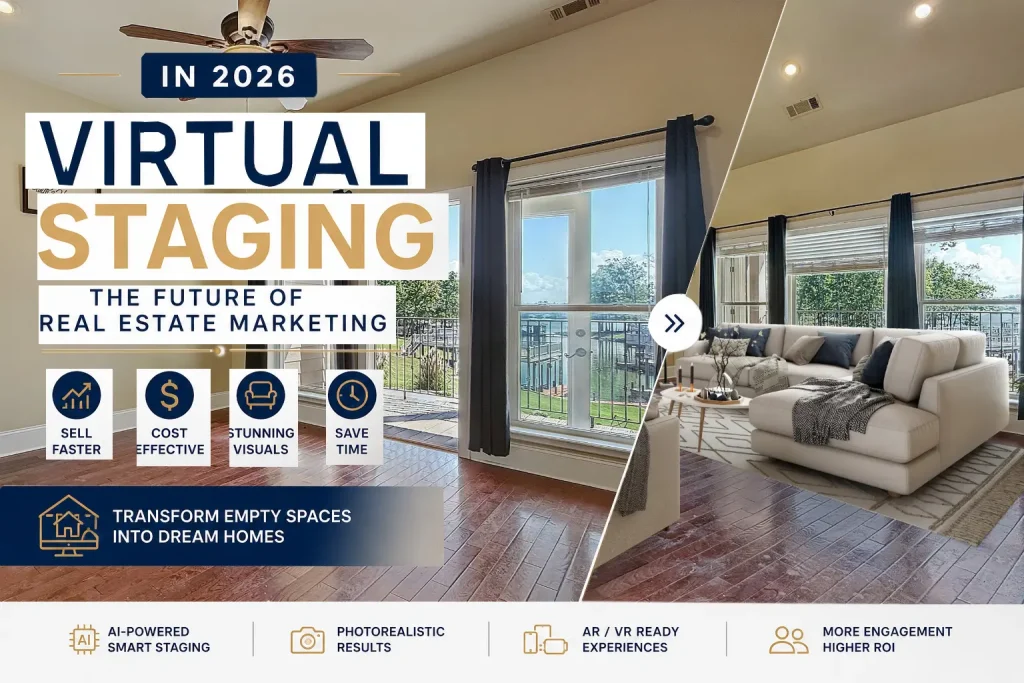
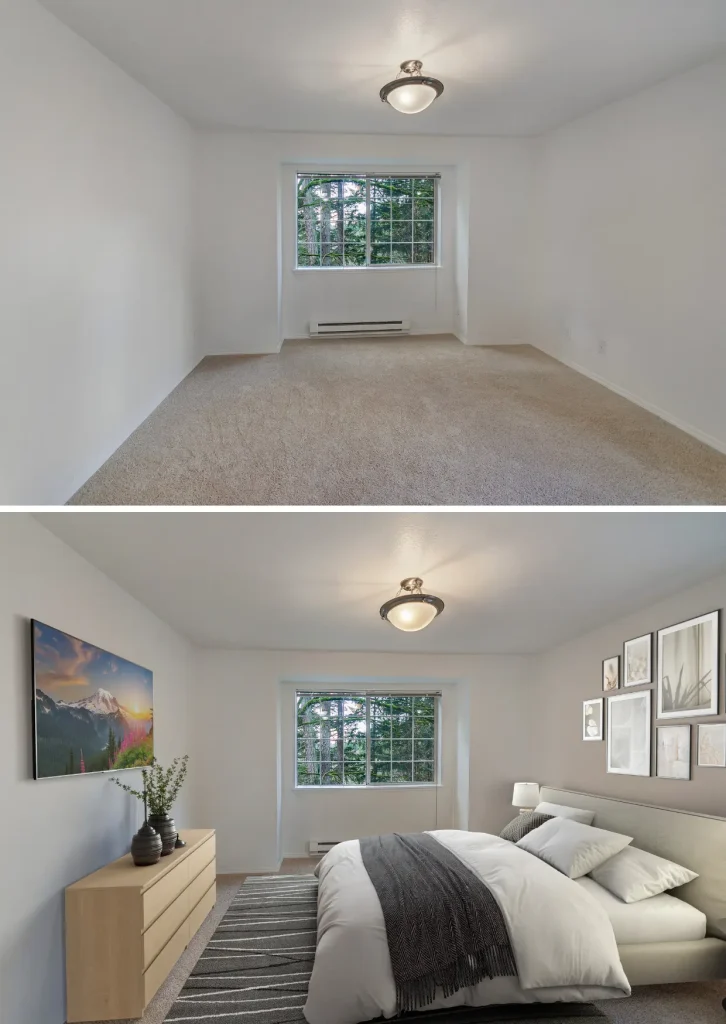
In today’s competitive real estate market, buyers make decisions within seconds of viewing a listing online. Properties with empty or poorly furnished spaces often fail to capture attention, leading to fewer inquiries and longer selling times. Virtual staging solves this problem by transforming blank spaces into visually appealing environments that help buyers emotionally connect with the property.
Additionally, with the rise of mobile property searches, high-quality visuals have become even more critical. A well-staged image not only increases click-through rates but also encourages potential buyers to spend more time exploring the listing. This increased engagement directly impacts the chances of converting views into actual property visits and offers.
You can enhance your understanding of digital real estate trends by exploring resources like National Association of Realtors, which regularly publishes insights on buyer behavior and online property searches.
Why Virtual Staging is Booming in 2026
The growth of virtual staging is massive—and it’s backed by real data.
- The market is growing rapidly with strong global demand
- AI tools now deliver results in seconds
- Buyers rely heavily on online visuals before visiting
In fact, virtual staging can reduce selling time by up to 40–60% and increase listing engagement by nearly 90%.
This is why agents, photographers, and editors are adopting it faster than ever.
Key Benefits of Virtual Staging
1. Cost-Effective Solution
Traditional staging can cost $2,000–$5,000+, while virtual staging costs as little as a few dollars per image.
Perfect for budget-conscious agents and sellers.
2. Faster Turnaround
AI-powered staging can generate results in under a minute, compared to days required for physical staging.
Ideal for tight deadlines and high-volume listings.
3. Better Buyer Visualization
Buyers often struggle to imagine empty spaces. Virtual staging helps them see the potential of the property instantly, increasing emotional connection.
4. Increased Property Value
Virtually staged homes can sell for 2–3% higher prices by improving perceived value.
5. Style Flexibility
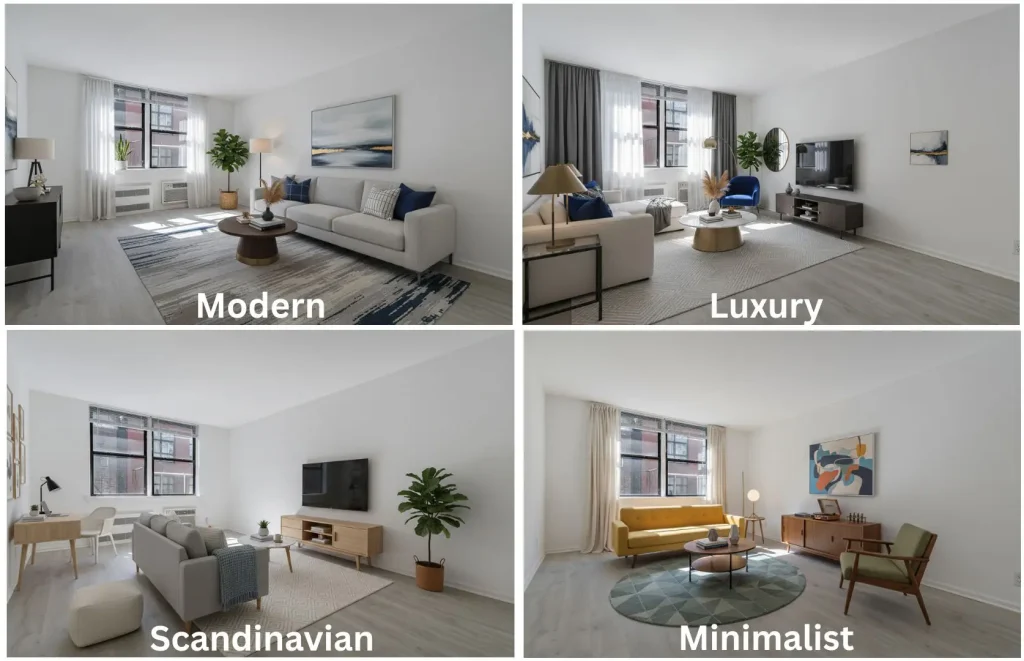
You can stage the same room in multiple styles:
- Modern
- Luxury
- Scandinavian
- Minimalist
This allows targeting different buyer personas.
Virtual Staging Trends in 2026
1. AI-Powered Staging
AI is transforming the industry by enabling ultra-realistic, automated staging with minimal manual work.
2. Photorealism is the New Standard
Low-quality edits no longer work. Buyers expect:
- Correct lighting
- Accurate shadows
- Realistic proportions
3. AR & VR Integration
Buyers can now explore staged homes through immersive experiences, viewing furniture and layouts interactively.
4. Neutral & Lifestyle-Focused Designs
Modern buyers prefer:
- Warm neutral tones
- Functional layouts
- Comfortable, livable spaces
5. Customization at Scale
Agents can create multiple versions of the same room to appeal to different audiences—first-time buyers, families, or luxury clients.
Virtual Staging vs Traditional Staging
| Feature | Virtual Staging | Traditional Staging |
|---|---|---|
| Cost | Very low | Expensive |
| Time | Minutes | Days |
| Flexibility | High | Limited |
| Physical Presence | No | Yes |
| Scalability | Unlimited | Limited |
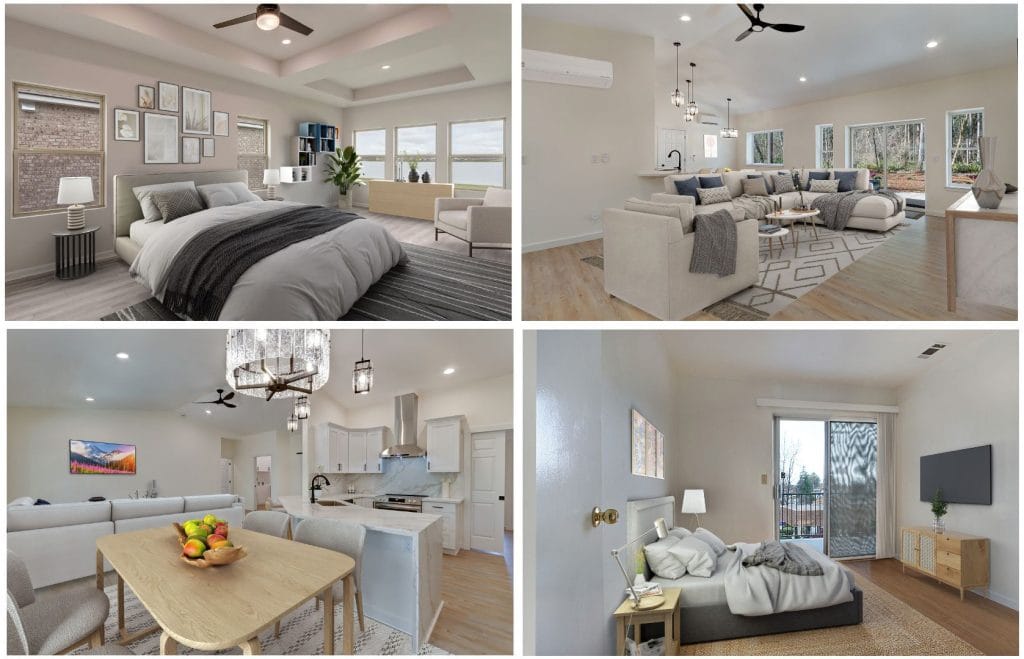
In 2026, many professionals use a hybrid approach, combining both methods for maximum impact.
Challenges & Ethical Considerations
Virtual staging is powerful—but it must be used responsibly.
- Over-editing can create unrealistic expectations
- Misrepresentation may damage trust
- Some regions require disclosure of edited images
Transparency is key—buyers should always understand what is digitally enhanced.
How to Get Started with Virtual Staging
- Start with high-quality real estate photos
- Choose a realistic design style
- Use professional editing or AI tools
- Keep lighting and perspective consistent
- Always label images as “Virtually Staged”
Final Thoughts
Virtual staging in 2026 is no longer just a trend—it’s a core part of real estate marketing.
It offers:
- Faster sales
- Lower costs
- Better engagement
- Higher perceived value
For photographers, editors, and agencies like TecPixel, this is a huge opportunity to provide high-value services and stand out in a competitive market.
CTA (for your business use)
Want to turn empty spaces into stunning, buyer-ready images?
TecPixel offers professional virtual staging services that help your listings sell faster and look premium.